Understanding Orthodontics
The diagnosis, prevention, and treatment of misaligned teeth and jaws are the main goals of the specialty field of orthodontics in dentistry. In addition to being more aesthetically pleasing, straight, perfectly aligned teeth are also simpler to maintain, which lowers the chance of cavities, gum disease, and other issues with the mouth. An essential component of complete dental care, orthodontic therapy can enhance your speech, bite, and general oral function. Patients of all ages can now have healthier, straighter smiles thanks to orthodontics’ more pleasant and discrete treatment options made possible by technological breakthroughs.
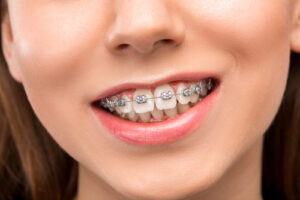
For the correction of complicated alignment problems, traditional braces are still a common option. They progressively shift teeth into the correct position using wires and metal braces. Modern braces are more comfortable, smaller, and come in tooth-colored ceramic for a less obvious appearance. Clear aligner systems provide an alternative for anyone who would rather have a more discrete approach. Both teens and adults will find these specially designed, detachable trays useful as they gradually move teeth and can be removed for eating, cleaning, and special events.
Overbites, underbites, crossbites, gaps, and crowded teeth are just a few of the many issues that orthodontics treats. If left untreated, these problems can lead to migraines, jaw pain, chewing difficulties, and excessive tooth wear. For children, early intervention is frequently advised in order to direct jaw development and make room for the appropriate eruption of permanent teeth. However, more individuals are opting for braces or aligners to enhance their smiles later in life, proving that it’s never too late to reap the benefits of orthodontic treatment.
The procedure usually starts with a comprehensive examination that evaluates jaw alignment and tooth location using digital scans, X-rays, and photos. The orthodontist develops a customized treatment plan based on the results. Wearing braces or aligners and going to routine checkups to track progress and make adjustments are part of the active phase of therapy. A retainer is used to preserve results and stop shifting after the teeth have shifted into their proper locations.
Orthodontic treatment improves long-term oral health in addition to appearance. Because properly aligned teeth are easier to brush and floss, there is a decreased chance of gum inflammation and plaque accumulation. Additionally, a balanced bite helps avoid temporomandibular joint (TMJ) issues and uneven tooth wear.
More than just a straighter smile, orthodontics improves function, comfort, and self-esteem. Working with a qualified orthodontist guarantees safe, efficient results and a healthy smile that lasts a lifetime, whether you are seeking treatment for your child or yourself.
What to Know About Dental Implants
Dental implants, which provide a long-lasting and aesthetically pleasing replacement for lost teeth, have completely transformed contemporary dentistry. Dental implants are surgically inserted into the jawbone, where they gradually fuse with the bone to form a solid and sturdy foundation, in contrast to dentures or bridges that rest on the gums or depend on neighboring teeth. Because of a process called osseointegration, implants can perform similarly to natural tooth roots, offering increased comfort, stability, and durability. Dental implants can confidently restore your ability to chew, speak, and smile, regardless of the extent of your tooth loss? one, multiple, or an entire arch.
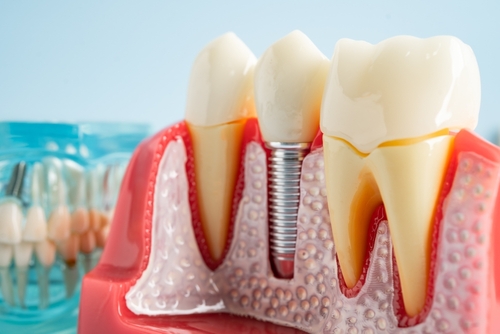
Usually, the implant procedure starts with a thorough examination during which your oral surgeon or dentist assesses your medical history, bone density, and dental health. The exact location of the implant is planned using digital imaging and scans to ensure maximum functionality and beauty. Bone grafting techniques could be suggested to reinforce the jawbone if it is not dense enough to support an implant. The bone can firmly fuse with the implant throughout the many months that follow the surgical placement of the implant post.
An abutment is fastened to the implant following osseointegration. The custom-made dental crown, which is constructed to match the size, shape, and color of your original teeth, is supported by this tiny connecting piece. The overall effect is a repair that feels very natural and fits in perfectly with your smile. Implant-supported bridges or dentures, which offer more stability than conventional removable solutions, might be utilized for patients who are missing several teeth.
The capacity of dental implants to maintain the health of the jawbone is one of their biggest advantages. Because there is no longer any stimulation after a tooth loss, the underlying bone gradually deteriorates. By simulating the function of natural roots, implants stop this bone loss, preserving your jaw’s structure and avoiding face drooping that can happen when teeth fall out. Because of this, implants are an essential investment in long-term oral health as well as a cosmetic option.
With the right maintenance, dental implants should survive for decades. Maintaining proper oral hygiene is crucial; consistent brushing, flossing, and professional cleanings lower the risk of infection and maintain the health of the surrounding gum tissue. Implants preserve more of your natural tooth structure than traditional bridges because they don’t require the adjoining teeth to be altered.
Dental implants are among the most dependable restorative procedures available due to their very high success rate, which sometimes surpasses 95%. According to the majority of patients, implants feel and work just like their original teeth, enabling them to indulge in their favorite foods without any limitations. Technological developments like computer-guided implant insertion have improved the procedure’s accuracy, comfort, and predictability.
Despite the lengthy and multi-step procedure, dental implants are a great option for anyone looking for a long-term remedy for tooth loss because of their long-term advantages. They offer unparalleled stability, safeguard your dental health, and give you a stunning, self-assured smile that will last a lifetime.
The first step in contemplating dental implants is to speak with a licensed oral surgeon or dentist. They will determine whether you are a good candidate for therapy and develop a strategy specifically for you. More than just a tooth replacement, dental implants restore your quality of life by returning the function, look, and self-assurance you have earned.
The Importance of Teeth Cleaning
In order to preserve oral health and avoid major dental issues, teeth cleaning is one of the most important and common dental procedures. In difficult-to-reach places of the mouth, plaque and tartar can accumulate despite careful at-home brushing and flossing. A dental hygienist’s professional cleanings eliminate these deposits and maintain the health of your teeth and gums. Frequent cleanings are an essential component of any dental care regimen since they not only guard against cavities and gum disease but also promote a brighter smile and better breath.
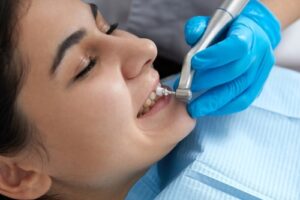
The hygienist starts a normal cleaning appointment by looking at your mouth to look for any indications of decay, gum inflammation, or other issues. Plaque and tartar are then carefully removed from between teeth and around the gum line using specialized instruments. This procedure, known as scale, is essential since tartar cannot be eliminated at home with a toothbrush. Your teeth are polished once scaling is finished to get rid of surface stains and smooth the enamel, which makes it more difficult for plaque to build up. Typically, flossing is the last procedure to make sure that any last bits of dirt are removed.
The advantages of professional teeth cleaning extend beyond appearance. Bacteria found in plaque accumulation can irritate and infect the gums, resulting in gingivitis, the first stage of gum disease. Gingivitis can develop into periodontitis, a more serious illness that can result in tooth loss, bone loss, and gum recession, if treatment is not received. By controlling harmful germs and enabling your dentist to identify issues early, routine cleanings lower this risk.
Although more regular visits may be beneficial for patients with gum disease or other oral health issues, most dentists advise scheduling a cleaning every six months. Your dentist can do a thorough examination, take X-rays if necessary, and address any worries you may have regarding your oral health during these regular visits. Future time, money, and discomfort can be avoided by detecting cavities, infections, or other dental problems early.
Cleaning your teeth can also improve your appearance. Polishing makes your grin notably brighter by removing surface stains from tobacco, red wine, tea, and coffee. Regular cleanings help preserve a cleaner, more appealing appearance, but they cannot replace expert teeth whitening. Following a cleaning, many patients also appreciate how their teeth feel smooth and new, which can encourage them to continue practicing healthy practices at home.
The secret to optimizing the advantages of professional cleanings is maintaining good oral hygiene in between dentist appointments. Plaque can be prevented by brushing with fluoride toothpaste at least twice a day, flossing every day, and using mouthwash as directed. Healthy teeth and gums are also supported by eating a balanced diet low in sugary snacks and beverages.
One easy yet effective way to safeguard your oral and general health is to clean your teeth. Gum health and systemic diseases like diabetes, heart disease, and stroke have been linked in studies. You can be promoting your overall health by maintaining the health of your gums with routine cleanings.
One of the simplest methods to maintain your smile for many years to come is to include expert cleanings in your dental care regimen. Regular teeth cleanings are an investment in your health and self-esteem, whether your goals are to avoid future dental issues, maintain the best possible appearance of your teeth, or just enjoy the feeling of freshly cleaned teeth.
Your Guide to Pediatric Dentistry
The specialty area of dentistry known as pediatric dentistry is devoted to treating the oral health requirements of newborns, kids, and teenagers. Preventing cavities, gum disease, and other oral health problems requires forming healthy dental habits early in childhood. In order to provide care for young patients, especially those with special needs, pediatric dentists undergo extensive training. They also prioritize making dental visits enjoyable and stress-free. Pediatric dentistry helps youngsters establish a favorable attitude toward dental health and creates the foundation for a lifetime of healthy smiles by combining early treatment, education, and preventive care.
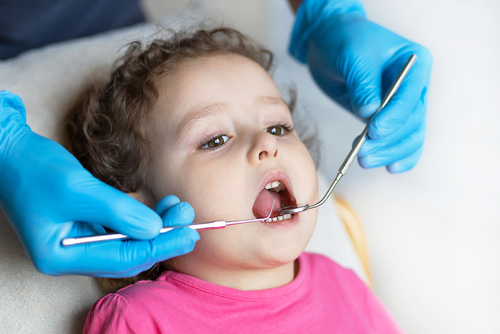
It is advised that a child see a dentist for the first time around the time of their first birthday or the emergence of their first tooth. Through these early visits, the dentist may keep an eye on the growth of the teeth, look for any anomalies, and advise parents on good brushing practices, diet, and bad behaviors like thumb-sucking or using a pacifier. Additionally, early dental checkups help kids feel at ease in the dental office, which later lessens their fear and anxiety.
The foundation of pediatric dentistry is preventive care. Frequent examinations and cleanings reduce the risk of cavities by keeping teeth clear of tartar and plaque. Dental sealants offer a protective covering over the molar grooves, which are where cavities are most likely to form, while fluoride treatments fortify tooth enamel and increase its resistance to decay. Children’s teeth can be kept healthy with these easy, painless procedures.
Common problems like tooth decay, one of the most common chronic illnesses in children, are also treated by pediatric dentists. Cavities are addressed as soon as they appear to avoid discomfort and additional harm. To maintain the tooth’s structure and functionality, restorative procedures like crowns or fillings could be suggested. If a baby tooth falls out too soon, space maintainers may be used to provide permanent teeth ample room to erupt appropriately.
Keeping an eye on teeth alignment and jaw development is another crucial function of childhood dentistry. Dentists can suggest orthodontic assessments at the appropriate time by seeing early indications of crowding, bite issues, or misalignment. Early intervention, also known as interceptive orthodontics, can direct the development of the jaw and facilitate and improve the efficacy of subsequent orthodontic therapy.
Pediatric dentists are prepared to treat dental emergencies, including oral traumas, fractured teeth, and knocked-out teeth. Their kind demeanor makes kids feel protected and taken care of during what may be a terrifying situation. They also work closely with parents to teach kids the value of proper oral hygiene, promote healthy eating habits, and establish routines for at-home care.
The focus on giving kids a positive experience is one of the main advantages of pediatric dentistry. A caring approach, soft communication, and kid-friendly workspaces all contribute to lowering anxiety and fostering trust. As they get older, this increases the likelihood that kids will cooperate during appointments and continue to seek dental treatment.
There is a strong correlation between general health and well-being and dental health. Parents who prioritize pediatric dentistry provide their kids the best chance for a confident smile, healthy mouth, and appropriate speech development. In addition to preventing issues, regular dental care from a young age instills lasting habits that will help kids well into adulthood.
More than simply teeth, pediatric dentistry aims to prevent illness, promote healthy behaviors, and provide every kid the chance to grow up with a powerful, radiant smile. Frequent pediatric dental appointments help youngsters feel at ease and confident each time they sit in the dental chair and provide the groundwork for long-term oral health.
Dentures Made Simple
A tried-and-true method of replacing lost teeth and regaining both beauty and function is dentures. Patients can eat, talk, and smile more confidently thanks to these detachable dental devices that are made to feel and look as natural as possible. Dentures offer a practical means of restoring oral function and enhancing quality of life, regardless of the source of tooth loss?decay, gum disease, trauma, or aging. Patients now have a dependable choice for recovering their smiles thanks to modern dentures that are more comfortable, natural-looking, and adjustable than ever before.
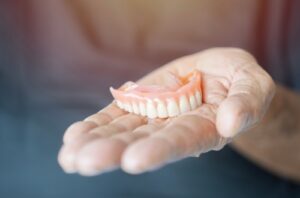
Dentures come in a variety of forms, each intended to fulfill certain requirements. Partial dentures are utilized when some natural teeth are still present, whereas full dentures replace an entire arch of lost teeth in the upper or lower jaw. Clasps or precise attachments that fasten to the remaining teeth keep partial dentures in place, enhancing stability and avoiding moving. Another choice that combines the advantages of dental implants with the practicality of a removable denture is an implant-supported denture, which provides better stability and inhibits slippage when speaking or eating.
A consultation and a comprehensive evaluation of the mouth are the first steps in the denture process. The dentures are custom-made at a dental facility after measurements and impressions are taken to guarantee a perfect fit. Before dentures may be placed in some situations, extractions could be required. Adjustments are made to guarantee comfort and correct alignment once the dentures are prepared. As the tongue and facial muscles adjust to holding them in place, patients may need some time to get used to wearing them.
Beyond appearance, dentures offer other advantages. They provide improved nutrition and general health by assisting in the restoration of the ability to chew a wide range of meals. Additionally, they enhance speech intelligibility because some words might be difficult to pronounce when one is lost teeth. Dentures assist patients preserve a more youthful facial structure by filling out the face and preventing the sunken appearance that frequently follows tooth loss.
Maintaining dental health and keeping dentures in good shape require proper care and upkeep. Every day, dentures should be cleaned with a gentle brush and a non-abrasive cleaner made especially for them. They stay fresher and don’t dry out if you soak them in a denture solution for the entire night. In order to avoid infection and inflammation, it’s also critical to practice basic oral hygiene by cleaning the tongue, gums, and any natural teeth that may still be present.
Even individuals with complete dentures should schedule routine dental checkups. In addition to examining the oral tissues for indications of irritation, sores, or oral cancer, the dentist can evaluate the fit of the dentures and make any required modifications. In order to preserve comfort and functionality, dentures may need to be relined or replaced due to changes in the gums and jawbone over time.
Implant-supported dentures are a great option for those looking for a longer-lasting and more secure solution. This approach offers outstanding stability, prevents slippage, and maintains bone health by stimulating the jawbone by securing the denture to dental implants that have been surgically positioned in the jaw.
Dentures are still a common and affordable way to improve daily living and replace lost teeth. Traditional complete dentures, partial dentures, or implant-supported solutions can all help you restore vital dental functions, regain a self-assured smile, and enhance your general health. Dentures can be a dependable and long-lasting solution that keeps you smiling for many years to come with the right maintenance and routine dental exams.
Everything You Need to Know About Teeth Extractions
The diagnosis and treatment of disorders affecting the mouth, jaws, and facial structures are the primary goals of oral surgery, a specialty area of dentistry. Although tooth extractions are frequently thought of as oral surgery, the term actually refers to a broad spectrum of operations intended to improve function, restore oral health, and improve quality of life. After completing dentistry school, oral surgeons get substantial training that equips them to carefully and precisely execute intricate procedures. In order to maintain the health of your mouth and the functionality of your smile, oral surgery is essential, from treating impacted wisdom teeth to reconstructive jaw surgery.

Wisdom tooth extractions are among the most frequent reasons people see an oral surgeon. These third molars frequently become impacted, which can cause pain, crowding, and infection since they don’t fully erupt or grow in the proper place. In order to avoid issues and support long-term dental health, oral surgeons carefully remove these teeth. In addition to performing extractions, oral surgeons also remove cysts or tumors, conduct biopsies for questionable growths, and treat tooth infections that migrate to the bone. Since untreated oral disorders can result in systemic issues, these procedures not only help protect overall health but also alleviate discomfort and sickness.
Another important component of oral surgery is dental implants. Implants offer a long-term substitute for missing teeth brought on by decay, trauma, or illness. To provide a solid base for a crown, oral surgeons carefully insert a titanium post into the mandible, where it gradually fuses with the bone. Patients can confidently speak, chew, and smile after this procedure restores the look and feel of a natural tooth. If the bone requires augmentation to effectively support the implant, jawbone grafting treatments may be carried out beforehand.
Orthognathic surgery, sometimes referred to as corrective jaw surgery, is used to treat issues with jaw alignment that orthodontics alone is unable to resolve. Patients may have trouble speaking, breathing, or chewing if they have significant overbites, underbites, or asymmetrical jaws. Oral surgeons can enhance function and facial equilibrium by realigning the jaws, which frequently improves a patient’s quality of life. If less invasive therapies for sleep apnea are ineffective, this kind of surgery might also be suggested.
Additionally, oral surgeons are essential in the treatment of trauma, fixing soft tissue injuries, broken teeth, and face fractures. Their knowledge guarantees the maximum restoration of the face’s appearance and function. Patients with congenital deformities like cleft lip or palate may require reconstructive surgeries to restore their speech, looks, and self-esteem.
Depending on the intricacy of the case and the patient’s comfort level, the majority of oral surgical treatments are carried out under local anesthesia, sedation, or general anesthesia. Treatments are now quicker, safer, less invasive, and need less recovery time thanks to developments in technology and surgical methods. In order to encourage recovery and lower the chance of problems like infection or dry socket, patients are typically given thorough aftercare instructions.
To track recovery and guarantee long-term success, it’s critical to keep follow-up consultations with the general dentist and oral surgeon. Recovery and general dental health can be further supported by maintaining proper oral hygiene, eating a balanced diet, and abstaining from bad habits like smoking.
More than a collection of operations, oral surgery is an essential component of complete dental care. Oral surgeons use cutting-edge training and contemporary technology to provide safe and efficient treatment, whether you need a tooth extracted, a dental implant inserted, or a more involved corrective procedure. A visit with an oral surgeon may be the first step in regaining comfort, function, and self-confidence in your smile if you are dealing with pain, swelling, or functional issues with your teeth or jaws.